Thursday, February 21, 2019

HappyYULE-MutluYIL

YULE ist wieder so ein Wort aus meiner Lieblingsecke, Wörter mit unbekannter Etymologie.

Zuerst Einträge aus Wikipedia.de:

"Die Etymologie des Wortes bleibt zweifelhaft. "

"Im 13. Jahrhundert berichtete Snorri Sturluson in der Heimskringlasaga von Leben und Taten Håkons I., des Guten (um 920–960). Danach soll Håkon als getaufter Herrscher über Heiden und Christen das heidnische Jul und das christliche Weihnachtsfest auf dem 25. Dezember vereint haben."

"Als Termin des vorchristlichen Julfestes gibt Snorri hier die Mittwinternacht an. Es ist aber nicht sicher, ob Snorris „Mittwinter“ die Mitte des Winters (um den 14. Januar) oder vielmehr die längste Nacht des Jahres, also die Wintersonnenwende, bezeichnete. "

"Im Altnordischen sind júl und jól nachgewiesen, im Finnischen die Lehnworte juhla „Feier, Fest“ und das pluralische joulu „Weihnachten“. In seiner weiteren Bedeutung umfasste auch das altnordische jól ganz allgemein das Festmahl, wie das Kenning „Hugins jól“ („Trinkgelage des Raben“) belegt. Zum selben Stamm gehören als Ableitungen jóln (neutrum plural) „Götter“ und jólnir, ein Beiname Odins, dessen mögliche Bedeutungen „Herr der Götter“ und „Herr des Jólfestes“ umfassen. Die isländische Handschriftensammlung Flateyjarbók (um 1500) berichtet, dass die Heiden das Julfest zu Ehren des Odin feierten."

bis jetzt aus https://de.wikipedia.org/

Meine Meinung dazu: Wie ich lese, benutzt man das Wort auch für Weihnachtszeit, -fest. Weihnachten (also Geburt Jesu) hat ja eigentlich kein exaktes Datum. Die christlichen Gelehrten haben sich im Laufe der Zeit entschieden, am 24./25.. Dezember zu feiern, da die Zeit seit ewigen Jahren bekannt war für die Wintersonnenwende, wo ein neues Jahr beginnen kann. Dann hat man es doch nicht 100 prozentig an diesen Tagen, sondern alibimäßig paar Tage später gesetzt (in westlichen Kirchen). Ich weiß, nix Neues.

Wir können jetzt zum türkischen Wort "YIL" kommen. Der mittlere Buchstabe ist kein "i" sondern ein "i" ohne Punkt. Ich habe ihn im Türkischen und im Russischen ты [y]  (du) gesehen. Ich kann es für deutsche Ohren so evtl. beschreiben: Wenn wir "haben" sagen, lesen wir normalerweise das "e" nicht wie e, sondern wie ein "I" im Türkischen. So lesen wir den Buchstaben "I" im Türkischen, ungefähr. 

Und jetzt das Wort YIL: Es bedeutet im Türkischen "das Jahr". Und das laß man sogar vor 1500 Jahren schon so (siehe Orkhon Steine). 

Es könnte dann sein, dass Nordische Männer YIL von den türkisch sprachigen Nachbarn übernommen haben, die vielleicht den Anfang des neuen Jahres gefeiert haben. Oben lese ich auch noch, dass der Odin den Nickname hatte yolnir = YILineri: mit der Bedeutung der Herr des Jahres (der Herr der (vergangenen) Zeit). Apropos Zeit, klar war es ein Wort aus Pagan-Zeiten der Europäer. (Yol bedeutet auf Turkish "Pfad" and "HEILIG"). Egal!

Ich finde meine Erklärung durchaus vertretbar. Aber natürlich ist es schwierig für alle zu akzeptieren, dass etwas Weihnachtliches oder Nordisches mit den Türken zu tun haben könnte. 

jetzt eine große Zugabe

Wenn ich das finnische Lehnwort "juhla" sehe mit der Bedeutung Feier/Fest, denke ich sofort an das türkische Wort yuğ (bitte lesen: yuuh). Yuğ bedeutet Trauerfeier. Yuğ kommt vom Wort ağla- (lese aahla) und das bedeutet "weinen". Auch eine mögliche Verbindung?

.

P.S.: Ich sehe oben ein echtes türkisches Wort: Hakon. Hakan heißt auf Türkisch seit eh und Je "der König". Hakon I, der Gute bedeutet dann der erste gute König.

*

I love such words with uncertain etymology. Hier is one: 

YULE

Forst of all I want you to read wikipedia:

"The etymology of this word is not certain." (findable only im German version)


"The word is attested in an explicitly pre-Christian context primarily in Old Norse. Among many others (see List of names of Odin), the long-bearded god Odin bears the names jólfaðr (Old Norse for "Yule father") and jólnir ("the Yule one"). In plural (Old Norse jólnar, "the Yule ones") may refer to the Norse gods in general. In Old Norse poetry, the word is often employed as a synonym for 'feast', such as in the kenning hugins jól (Old Norse "Huginn's Yule" → "a raven's feast").[5]"

"The Saga of Hákon the Good credits King Haakon I of Norway who ruled from 934–961 with the Christianisation of Norway as well as rescheduling the date of Yule to coincide with Christian celebrations held at the time. The saga states that when Haakon arrived in Norway he was confirmed a Christian, but since the land was still altogether heathen and the people retained their pagan practices, Haakon hid his Christianity to receive the help of the "great chieftains". In time, Haakon had a law passed establishing that Yule celebrations were to take place at the same time as the Christians celebrated Christmas, "and at that time everyone was to have ale for the celebration with a measure of grain, or else pay fines, and had to keep the holiday while the ale lasted."[12]

Yule had previously been celebrated for three nights from midwinter night, according to the saga. Haakon planned that when he had solidly established himself and held power over the whole country, he would then "have the gospel preached". According to the saga, the result was that his popularity caused many to allow themselves to be baptised, and some people stopped making sacrifices. Haakon spent most of this time in Trondheim. When Haakon believed that he wielded enough power, he requested a bishop and other priests from England, and they came to Norway. On their arrival, "Haakon made it known that he would have the gospel preached in the whole country." The saga continues, describing the different reactions of various regional things.[12]"

until now by https://en.wikipedia.org/

Now to my idea:

When we read this, we know then that the word YULE is used also for Christmas. Christmas (The Birthday of Jesus) has no certain date. In the History, the Christian scholars have decided, that the Birthday was on the 24./25. of December (in the west Churches). It is almost the same date like the "winter solstice". Ok, nothing new.

Now comes the turkish word "YIL". The letter in the middle is not an "i", no. It is an "I", an "i" without dot. Similar to Russian ты [y] (meaning "you"). It is like the "e" in driver, or "a" in liar for English Ears.

YIL means "year" in Turkish. A 1500 years old word, that you can find on Orkhun Stones, too. And we know YULE has something to do with the time.

It could be possible, that the Norsemen took this word from Turkish speaking neighbors, who knew the winter solstice and was celebrating that, too. It is definitely about time, it is possible that the Norsemen celebrated the beginning of the Year.
And the last point i want to write. I read above, that Odin has/had the nickname yolnir.
Yolnir could be the same word like YILineri, that means The Master of the year or the Master of the past time. This word dates back to the pagan period of the "European" People. (By the way, YOL means in Turkish also "the path" and, and, and "the Holy"). A very unimportant point.

I think, my explanation is considerable. It is hard to accept it, that something dealing with the Vikings and Christ, is Turkish originated.

And now a big ENCORE

The Finnish loanword "juhla" means feast. The Turkish word Yuğ (read it like Youu) means "funeral service". It comes from ağla- (to cry, to weep) and determines the people crying at your funeral. Possible, too? Anyway!

.

P.S.: I see above a 100 % Turkish word called: Hakon. Hakan means "the King" ever since. 
Hakon I, the Good means "the first good King".


*

Kökeni bilinmeyen kelimeleri çok severim. Bunlardan biri de

YULE

Ilkin vikipediye baktım:

https://tr.wikipedia.org

"Yule, Jul veya Yul; Cermen halkları tarafından kutlanan antik bir pagan kış festivali. En uzun gecenin yaşandığı ve günlerin uzamaya başladığı gün olan kış gündönümünün kutlandığı bir bayramdır.[1] Hıristiyanlığın yayılması ile birlikte Yule adı 11. yüzyıldan sonra İngilizcede Noel anlamında da kullanılmaya başlanmıştır.[2] Yule, günümüzde bazı neopagan gruplar tarafından kutlanmaya devam edilir.[3]"
"Sözcük Eski Norsçada Jol şeklindedir.[4] Sözcük Anglosaksonlarda ilk olarak aralık ve ocak aylarını kapsayan iki aylık dönem için kullanılıyordu.[2] Örneğin bazı takvimlerde aralık ayı "Ærra Gēola" (Yul öncesi), ocak ayı "Æfterra Gēola" (Yul ertesi) olarak adlandırılır."

Almanca ve Ingilizce yazılan yazılar daha uzun, ben özetleyebilirim. 

Almancası'nda diyor ki: kökeni bilinmiyor. 

Sonra devam ediyor: 

13. yy'da Snorri Sturluson anlattığı efsanede, Kral I. Iyi Hakon bu günün, yani YULE'nin, hem hristiyanlar hem de kafirler ( o zamanın hristiyan olmayanları) için kutsal gün olmasına karar veriyor. 25 Aralık artık hem Noel hem de YULE kabul ediliyor. Zaten Isa Peygamber'in doğum günü tam olarak bilinen bir tarih olmadığından, hemen hemen eski pagan günlerinden kalma gün dönümünün tarihine yakın bir tarih belirliyor Batı Kiliseleri. 24./25. Aralık tarihi de ordan geliyor olmalı. Yeni bir  bilgi değil, biliyorum. Yazarımız Snorri bize Kış gündönümünü Kutsal Gün olarak bildiriyor. YULE'nin tam tarihini veremese de. 

Sonra vikipedi bize YULE kelimesinin kökenini açıklamaya çalışıyor. Bunları geçiyorum. 
Merak eden, Ingilizce ve Almanca yazılardaki notları yukarıda okuyabilirler. Hep zamanla ilgili bir kelime olan YULE (ki eski halleri YUL ve YOL) Orkun Taşlarında bile adı geçen, yani en az o kadar eski olan,  YIL kelimesinden geliyor olabilir. 

Benim açımdan önemli olan Odin in lakabı: Yolnir. YILIN ERI (YOLUN ERI) kelimelerinin sıkışmasından oluşabilecek bir kelime. Yani geçen zamanın kralı anlamına gelebilir. Yol Türkçe'de sadece yürünen yol anlamının yanında, bir de "kutsal olan" anlamı vardır bu arada.  YOLNIR aynı zamanda ODIN'in kutsallığını belirtmek istiyor da olabilir. 

AMA vermek istediğim bir bilgim daha var:

Fince'deki alıntı kelime "juhla" (okunuşu yuğla) bizim Yuğ kelimesine çok benzer. Buradan da bir bağlantı olabilir. Almanlar cenaze töreni ile evlilik töreni'nin Türkçe'deki gibi hissiz bir kelime olan tören gibi bir anlamı olan "feier" ile  betimlerler. Yani kutlanan cenaze mi evlilik mi mühim degildir. Ingilizce'de örnegin, cenaze icin "feast" kelimesi kullanılmaz. Neyse, demek istediğim, Fince juhla (okunuşu yuğla) ile bizim yuğla-mak arasında da bir bağ olabilir. Akrabayiz ne de olsa! 

.

P.S.: Ha, unutmadan! Yukarıda ben bir 100 de 100 Türkçe olan bir kelime görüyorum. Hakon, yani Hakan. 
Ilginç mi ilginç!

Uzunbacak Adem

*Bu arada o kadar YUL YOL YIL dedim, Yul Brynner'a burdan bir selam göndereyim.

Julböcke als Schmuck für den Weihnachtsbaum-Bock ist auch in den altaiischen Religionen  heilig.

Tuesday, February 19, 2019

BookCritic-AmbrosJosefPfiffigsBuch-ReligioEtrusca

Der bekannte Etruskologe Herr Ambros Josef Pfiffig hat das Buch geschrieben:
Die etruskische Religion
Ich habe eine Kopie vom "Albus im VMA-Verlag" 1998, Wiesbaden

Circa 20 Seiten schreibt er bis er zum Thema -Ursprung und Struktur der etruskischen Religion- kommt. 

Unter Punkt b schreibt er auf Seite 24:

Ob dieser Kern der Religion eines in Italien sekundären Volkselements …entstammt oder einer relativ autochthone, vorindoeuropäischen Schichte angehört, …lässt sich heute nicht entscheiden.

Dann schreibt er weiter auf der gleichen Seite:

Ebenfalls bleibt noch offen…
Es scheint eher…..
Seite 25
…ist eine Vermutung…
Seite 26
…könnte man direkt annehmen…
Seite 30 ist voller Fragezeichen. Es geht um Ähnlichkeiten zwischen griechischen und  etruskischen Gottheiten. Nicht seine aber im allgemeinen auftretende Unsicherheit über die Namen der griechischen Gottesnamen erwähnen wir lieber nicht. Es geht um Apollo, Artemis und Heracles. 
Auf Seite 31 stellt er selber ein Fragezeichen:
..Allerdings ist nicht auszuschließen, daß Turan  - von der kaum ein Kult bekannt ist - in der (italienischen ?) Uni aufgegangen ist, von der sie allerdings auf Spiegeln deutlich differenziert erscheint….
weiter auf Seite 31:
…fragen …. fraglich …oder nicht…wäre … auch möglich…dann fragt er sich selber mit einem Fragezeichen am Ende des Satzes.
…voll mit Wiedersprüchen…man wisse weder ihre Zahl noch ihre Namen…
…ob diese….ist nicht festzustellen…
Seite 32: bedeuten mag…müßten wir…
…sind bisher ganz unbefriedigend geblieben…hier ist kaum zu unterscheiden und festzustellen, was dran etruskisch ….
—-weder bekannt noch wahrscheinlich…
…wissen wir nicht… es gibt keinen sicheren Fund…
Seite 33:
Das Problem der Triaden
..sollte man…als endgültig beantwortet ansehen…
…es wird noch häufig angenommen…#
Seite 34: 
…glaubt…deuten zu können…
Seite 35 : Nur ein Bild
Seite 36:
…soll…soll…wird nich angenommen…darstelle…äußerst fraglich…
Fraglich…Blitz?…

Die Bespiele oben zeigen, wie die Europäer mit den Etruskern -generell- umgehen. Nicht ehrlich, nicht tiefgründig, lieber oberflächlich, wie mit einem Adoptivkind, egal ob...
Warum?!
Weil ungewollte Wahrheiten herauskommen könnten, wie: die Etrusker kamen aus Asien und sprachen eine Altaische Sprache und waren weder autochthon noch indogermanisch.
Im Allgemeinen gilt:
Die europäischen Wissenschaftler (bis auf paar) ignorieren die anderen Ergebnisse anderer Wissenschaftler aus der anderen Teilen der Welt. Das ist die Hochnäsigkeit der Europäer, die immer sagen: Wenn überhaupt jemand etwas weiß, dann sind wir das.
Aber sie haben Angst. Sie wissen, dass die anderen Recht haben (könnten). Die Geschichte kann man eben nicht immer konstruieren!


Mein Fazit:

Nach so vielen Fragezeichen und Unsicherheiten habe ich aufgehört, dieses Buch zu lesen. Dann lieber für Isaac Taylor, Mario Alinei, Adile Ayda, Firudin Ağasıoğlu oder Kazım Mirşan hätte ein wenig mehr Zeit. 


Sie wissen auch, wie man mit Wissenschaft umgeht, ohne hochnäsig zu sein!


*


Etrüskolog Sayın Ambros Josef Pfiffig aşağıdaki kitabı yazmış:
Etrüskler’in Dini
Bende VMA Yayınevinden çıkan 1998, Wiesbaden basımlı kopyası var.

20 sayfalık önyazıdan (giriş) sonra Etrüskler’in dini hakkında yazmaya başlıyor.

Sayfa 24’de, b noktası altında şunları yazıyor:

Bu dinin çekirdeğinde Italya’daki ikincil bir halk nüvesinin mi yattığı yoksa…otokton bir kültürden mi geldiği, ya da ön Hintcermen bir kültüre mi ait olduğunu,…şu anki bilgimizle söyleyemeyeceğiz.

Aynı sayfada devam ediyor:

aynı şekilde yine hala söyleyemeyeceğimiz…
yani şöyle daha büyük ihtimal…

Sayfa 25
…bu bir varsayımdır…
Sayfa 26
…direk kabul edebilmemiz yanlış olmaz…
Sayfa 30 ise tamamen soru işaretleriyle dolu. Yunan ve Etrüsk Tanrıları arasındaki etkileşim ve benzerliklere değiniyor. Kendisine ait olmayan ama genelde bir sorun yaratan Yunan Tanrılarının isimleri nereden geliyor sorusu onu da yormuşa benziyor. Yazıda Apollo, Artemis ve Herakles adlı Tanrıların adlarının köken sorununa değiniyor….Ben devam edeyim…
Sayfa 31’de kendi bilgisini sorguluyor:
Tam olarak diyemem ki, Turan adlı Tanrı -ki bu Tanrı hakkında çok bir bilgimiz yok- üniversitede karşımıza çıktı ve karşılastığımız diğer yarlerde (örnek: aynalarda) farklı farklı kılıklara bürünüyor...
Sayfa 31
….soru… sorun… olmayabilir….olabilir… bu da olabilir…ve cümlenin sonunda kendi kendine bir soru sorar Ambros.
Devam edelim:
…çok çelişkilerle dolu… ne isimlerini biliyoruz ne de sayılarını…
…bunun böyle olup olmadığı… kesin değil…
Sayfa 32
…anlamı bu olabilir…bizim kabul etmek sorunda olmamız lazım olabilir…
…simdiye kadar tatmin edici bir cevap olmadı…bu konuda neyin Etrüsk kökenli neyin değil olduğu konusu kesin değil…
…ne biliyoruz ne de ihtimal dahilinde…
…bilmiyoruz…kesin bir bulgu yok…
Sayfa 33
Triadlar sorunu:
…bu sorunun tam olarak çözüldüğünü kabul edebiliriz…
…hala sıkça, ama kesin olmamakla beraber, kabul edilebilir…
Sayfa 34
…sanıyor…bunun anlamını çözebildiğini…
Sayfa 35’de sadece bir resim var.
Sayfa 36
…olmalı…olmalı…böyle kabul görmüyor…böyle sunabilirsem… aşırı derecede kuşkulu…
…kuşkulu…şimşek?


Yukarıdaki örnekler Pfiffig Bey'in kimliğinde, Avrupalı Bilimadamlarının konuyla genel anlamda nasıl ilgilendiklerini ortaya koyuyor bence. Samimiyetsiz, üstünkörü, evlatlık derecesinde bir ilgi, olsa da olur, olmasa da...
Peki bunun nedeni ne?! Istenmeyen gerçekler ortaya çıkabilir. Örnek?: Etrüskler Asya'dan geldiler. Konuştukları dil Altay diliydi. Ne otokton ne de Hintcermen kültürüne dahildiler. 
Ama:
Bu bir büyükburunlu, genel Avrupalı (Bilimadamı) yaklaşımı: Eğer bir bilen varsa, o benim. Dünyanın diğer yerlerinden gelen bilimadamları birşeyi bilmek istiyorlarsa, bana sormalılar. Ben tek kaynağım. 
Ama bu konuda artık korkuyorlar. 
Tarihi hep kendi isteğine göre kuramazsın!

Iste bu yüzden: 

Bu kadar soru işaretinden sonra bu kitabı okumayı bıraktım. Isaac Taylor, Mario Alinei, Adile Ayda, Firudin Ağasıoğlu veya Kazım Mirşan okumak daha bilimsel. 


*

I have the book of the famous Etruscologist Mr. Ambros Josef Pfiffig on my desk.
The Etruscan Religion
A copy of the book by VMA Verlag 1998 in Wiesbaden

After nearly 20 pages he begins wo write an introduction about the origin and the structure of the Etruscan Religion.

Unter point b, he writes on page 24:

Whether the essence of this religion comes from a secondary ethnic element…or an indigenous, pre indogerman layer…we can’t decide today..

and furtherly:

furthermore it is not sure…
it looks like…
Page 25
..is a presumption…
Page 26
… it could be assumed…
the Page 30 is full of question marks. It is about the similarities between Greek and Etruscan deities. Not only his but also the general  uncertainty about the names of the Gods i don’t want to mention. It is about Apollo, Artemis and Heracles.
On page 31 he asks himself:
It can’t be excluded that Turan -we don’t know any cult of him- we discussed about him at an (Italian?) University, appears very differently on the mirrors….
Page 31
…questions…doubtful…or not…would be…maybe possible, too…he asks himself again at the end of the sentence.
…full of contradictions…we know either the names or the numbers of…
…whether these… is not possible to find…
Page 32
…may mean…we would have to…
…is until now very unsatisfying…is not possible to differ, what is Etruscan and what is not…
…we don’t know… there is no evident discovery…
Page 33
The problem about triads
…we should accept…finally answered…
…it would be assumed often…
Page 34
..believes…we could maybe interpret…
Page 35 - a picture only
Page 36
…should… shall…not be assumed…depicting…extremely doubtful…
…doubtfull…lightning?…

The examples above demonstrate, how the European researchers are treating the question of Etruscan Culture and History. Dishonest, not profound, treating it like an adoptive child, "no matter, whether"...
But why?!
Because undesirable truth could come out. Etruscan People came from Asia and spoke an Altaic Language. These were either indigenous or Indogerman. 
But "Same old horse win the same old race".
It is the general european (scientific) approach to this kind of subjects. If anyone knows anything, we are! (The exception proves the rule!). Their attitude: All the other researchers must ask me, when they want to know.
But they are afraid, that the others are telling the truth. They know that they can't always construct the history!

So:

After so many questions marks, I have decided not to read this book further.

Because I would like to have more time for Isaac Taylor, Mario Alinei, Adile Ayda, Firudin Ağasıoğlu or Kazım Mirşan.

They know, too, how to do, without being snobbish.


Uzunbacak Adem


Monday, February 18, 2019

pak-pag-pack-bağ-bağla-poglo-baka-vieh-cattle-

Old-LatinLatinTurkishDeutsch/English
pak, pagpangobag/bağbinden/to bind
pecupecusbaka (hayvan?)Vieh/cattle

pecus
bak-mak (hayvana bakmak) sich kümmern/take care
pecunia

bağlı (bana bağlı, mir gehörig/mine)Mittel/funds

paganbaga: yemlik (Futtertrog/manger)zum Dorf gehörig? village like?

pecu-l-iu-mbaylık (zenginlik, mal
varlığı 
Vermögen/Assets

paganbakan? (ilgilenen)Der sich um Viecher kümmert (Dörfler)/Someone caring about the cattle (not citizen)

Uzunbacak Adem

Saturday, February 16, 2019

MaterialCulture-ordu-orda-rta-Орда-KingArthur?

Root:
Turkish Ordu (Army), Palast or as Center of Kingdom (Orta)


Branches:

Latin: Ordo
Proto-Italic: *ord-on- (“row, order”) (Wikipedia)
Italien: Orda
English: Order, Horde
Deutsch: Horde, Ordnung, (Orden?)
Sanscrit: rta
Russian: Орда
Indian: Urdu
French: Horde
Spanish: Horda
Swedish: Hord
Polnisch: Horda

...and many more...

Sarmatian: (King) Arthur?


*SarmatianWarrior-AMiddleAsianWarrior?LookAtHisFace-andTellMe-GrosvenorMuseum-Chester
Sarmatian word Artur could have the same root like "ordu". Now look at this warrior above.
An Asian one! Isn't he?

Uzunbacak Adem

*Picture: https://tr.wikipedia.org/wiki/Sarmatlar


Saturday, February 9, 2019

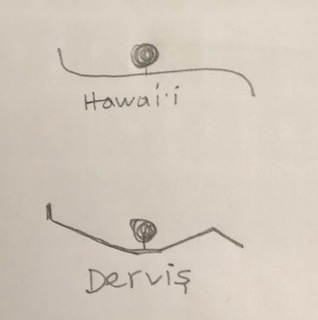
Mevlevi-Dervish-in-Hawai'i-Hawai'i'deki-Mevlevi-Derviş

I have the book on my desk
Ich habe das Buch vor mir
Su anda önümdeki kitap

Petroglyphs of Hawai'i by/von Likeke R. McBride
Hawai'i deki kaya resimleri. Yazar:  Likeke R. McBride

I have seen the picture:
Ich habe dieses Bild gesehen:
Ben şu resmi hemen gördüm:
Hawai'i-Petroglyph-Likeke-McBride-Dervish-Derwisch

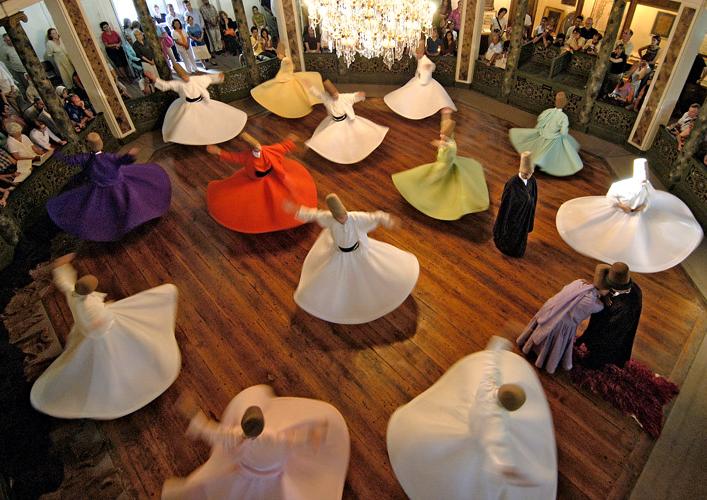
Immediately I thought of the Mevlevi Whirling Dervishes from Konya.
Sofort habe ich an die wirbelnden Derwische aus Konya gedacht.
Hemen Konya'nın Mevlevi Dervişlerine kafam gitti.

Whirlingdervishes.JPG
*Whirling Mevlevi Dervishes-Wirbelnde Mevlevi Derwische-Konya
The both of them are making the same sign with the arms and hands.
Die beiden machen das gleiche Zeichen mit den Armen und Händen.
Ikisinin de kolları ve elleri aynı simgeyi işaret ediyor.
Hawaii-Dervish-Sign-Derwisch-Dervis-Mevlevi-ArmMovement

ENGLISH: 
Ok. They are similar. Aren't they?
But what do they want to tell? I know that these Dervishes call themselves Mevlevi (God-given or belonging to God). They are whirling and at the same time having the right hand up to Lord and the left hand down to People. They want to say, what we get from the Lord, we give it to people. 
And now look at the Hawai'ian Petroglyph. It makes the same sign. We see further figures. The figure on the left side has a divine object (maybe ON Thamga) (maybe sun, fire?) and it takes it from above. And the figure on the  right side has fallen it on the ground. It gave this divine object to (subservients, subjects) people. Is it the fire or fertility or or or? It is interesting to see, that there's something added in the circle, a dot. I think, the artist wants to say, the mankind added something to divinity.
And now:
Look at the boy near Prometheus on the last picture below:
He ist the one, that takes something divine with the right hand and gives it down with the left hand. It is broken, that's why, we don't know what! It is not important, either. It is now all about the movement/sign.

DEUTSCH:
Ok. Sie sind sich ähnlich. Oder?
Was möchten die beiden dann erzählen? Ich weiß, das die Derwische sich Mevlevi nennen, was "Gottgegeben oder göttlich" bedeutet. Wenn sie sich drehen, haben sie eine bestimmte Haltung mit den Armen und Händen. Der rechte Arm mit der rechten Hand geht nach oben, nimmt etwas Göttliches und gibt dieses mit Hilfe des linken Armes und linker Hand herunter zu den Menschen.
Und jetzt gucke mal die hawaiianische Petroglyphe. Die gleiche Bewegung, oder? 
Wir sehen weitere Figuren. Die eine auf der linken Seite unter dem rechten Arm nimmt etwas (könnte ON Thamga sein) von Oben  (Gott) (eventuell Sonne, Feuer?) und the rechte Figur unter dem linken Arm legt es herunter auf den Boden. Die zweite Figur gibt dieses Göttliche zu den Untertanen, den Menschen. Feuer, Fruchtbarkeit, etc. Interessant zu sehen ist, dass der Ring, den die Figur von oben bekommen hat, ist jetzt gefüllt mit einem Punkt. Ich denke, der Artist möchte uns sagen, dass die Menschen dem Göttlichen etwas dazu fügen (können).
Und jetzt: 
Gucke unten auf dem Bild den Buben neben Prometheus. Er nimmt vom Prometheus mit der rechten Hand was und seine linke Hand zeigt ebenfalls nach unten. Sie ist gebrochen, wir wissen nicht, was er in der Hand hatte. Ist auch nicht wichtig, es geht gerade um die Arm-Hand-Bewegung.

TÜRKÇE:
Hawaiili kaya resmindeki figür ile bizim derviş'in el kol hareketi aynı, değil mi?
Bize anlatmak isterdikleri nedir? 
Mevlevilerin ismi Mevla'dan gelir ve Tanrısal, Tanrıdan veya Tanrıya ait anlamına gelir. Sağ el ve koluyla Rab'den birşey alıp (Ateş mi, bereket mi, iman mı siz karar verin), sol kolu ve eliyle insanlara verir. Hareketin özü budur. Hawaiideki Figürdeki hareket de bunun aynisidir. Bu ana Figürün yanında iki tane ufak figür görürüz. Soldaki figür yuvarlak bir cismi eline almış veya alıyor. Sağdaki figür ise bu cismi toprağa atmış, insanların seviyesine indiriyor. Yani anlatılmak istenen bence aynı şeydir. Ilginç olan ise: Yukarıdan alınan halka (ON Tamgası olabilir), sağda insanlara verilirken içinin bir noktayla doldurulmuş olması. Yani Insanoğlu Tanrısal olana birşeyler katmış.
En sondaki resme şimdi bir bakın:
Promete'nin yanındaki oğlan sağ eliyle bundan bir şey alıyor. Sol eliyle (ki Hawai'deki ve Mevleviler'deki el kol hareketiyle aynı) aşağıya bir şey vermek ister gibi. Eli kırılmış, bu yüzden bilemiyoruz, neyi verdiğini. Bizim için de şu an çok önemli değil, çünkü şu anda önemli olan el kol hareketini açıklamak.


*römischer Sarkophag, 3. Jahrhundert, Louvre, Paris-RomanSarchopagus
Uzunbacak Adem


*Bildquelle/*PictureSource/*ResimKaynagi: *Wikipedia 

Sunday, February 3, 2019

ağır-ağrı-Schwere-gravis-gravedo-Gravitation-grau-gray-ağarmak


Laut Alois Vanicek bedeutet der Wurzel -gar- fallen, abfallen und befindet sich in vielen Wörtern mit Schwere. 

gravis: schwer, gewichtig, beschwerlich. Das türkische Wort -ağır- hat die gleiche Bedeutung. 
gravedo: Schwere der Glieder, Schnupfen. Das türkische Wort -ağrı- bedeutet Schmerz. Ağır ağrı würde dann -schwerer Schmerz- bedeuten.
(Grippe aus diesem Wurzel?)
ravus (=gharvus, gravus: alternd =) grau. Im Türkischen bedeutet -ağır- auch alte respektable (Person), das Verb ağırla- bedeutet respektieren, mit Respekt behandeln.

Obwohl ağır und ağrı im Türkischen nicht aus dem gleichen Wurzel kommen, haben sie im Latein eine ähnliche Bedeutung. Eine reine Ähnlichkeit ist da. 
Eventuell haben die Römer diese Wörter von den Etruskern übernommen.

*

According to Alois Vanicek the root word -gar- means to fall, to fall off and plays a role in many words dealing with weight, severity.

gravis: heavy, weighty, onerous, arduous. The Turkish word -ağır- has the same meanings. 
gravedo: Severe problems of the limbs, getting cold. The Turkish word -ağrı- means pain, sorrow. Ağır ağrı would mean a severe pain.
ravus (=gharvus, gravus: alternd =) gray. In Turkish -ağır- means a highly respectable (person), and the verb ağırla- means to respect and to treat respectably.

Ok, ağır and ağrı do not mean in Turkish same but they are similar in sound. They mean similar in Latin, too. 
Maybe the Romans had captured (a very interesting word for me) these ağır and ağrı from the Etruscan Culture.

*

Alois Vanicek'e göre Latince -gar- kelimesinin anlamı düşmek, aşağı düşmek. Bu kelime kökü ağırlık ve ciddiyet anlamına gelebilen birçok kelimenin de kökü aynı zamanda. 

Örnekler:
gravis: ağır, ciddi. Türkçe -ağır- kelimesi de ayni anlamda (örnek: ağır suç, ciddi suç).
gravedo: uzuvlardaki ciddi -ağrı-lar veya hastalık anlamında. Türkçedeki ağrı ve sızı anlamna çok yakındır ve benzerdir.
ravus (=gharvus, gravus: alternd =) gri (renk). Almanca'da ak saç denmez gri saç denir, Ingilizce'de de. Ikisinde de yaşlı ve saygıdeğer anlamındadır. Bizdeki ağır insan benzeri kelimelerde ve tabii ki ağırla-mak fiilinde gördüğümüz gibi ayni anlama gelir Latince'deki karşılığıyla. (gravus, gri: ağır olabileceği gibi, ağar-mak tan da geliyor olabilir).

Uzunbacak Adem


Friday, February 1, 2019

centum-10x10-kanta-iki-on'dan

Master Alois Vanicek says us the old form of centum (100). His etymological explanation:


Kanta: a hundred (dakan x da) kan-ta = 10 x10 ?

He tries to explain, how he reaches a hundred (Latin centum, OldLatin kanta) to show us the etymology of this word. He wants to say us, 100 consists of 2 times of 10 (side by side), I think. But he shows it with a question mark, because he has doubts.

I would say, he has the right way but the false words.
The math formula should be like this:

Kanta: iki on'dan: (meaning: consisting of 2 of 10s (in Turkish language)) => 10 x 10 = 100
iki: 2, on: 10 and suffix 'dan: consisting of...
In summary: kanta = iki on'da (n)

Etruscan roots?

*

Meister Alois Vanicek sagt uns die alte Form der Zahl 100 (centum) und seine etymologische Erklärung lautet:

Kanta: hundert (dakan x da) kan-ta = 10 x10 ?

Er versucht zu erklären, wie er 100 (Auf Latein Centum, Altlatein kanta) erreicht und dadurch die Etymologie des Wortes zeigt. Er möchte uns sagen, dass 100 aus doppelten 10ern besteht, die nebeneinander stehen sollen, denke ich. He schreibt dann am Ende der Formel ein Fragezeichen, dadurch verstehen wir, dass er sich nicht sicher ist.

Ich würde sagen, er hat den richtigen Weg aber die falschen Wörter.
Diese mathematische Formel soll lauten:

Kanta: iki on'dan (bestehend aus 2  10ern, auf Türkisch,) =>Also 10 x 10 = 100
iki: 2, on: 10 und Nachsilbe 'dan: bestehend aus...
Kurz gesagt: kanta = iki on'da (n)

Etruskische Wurzeln?

*

Pirim Alois Vanicek Latince centum (eski Latince kanta)  yani 100 sayısının etimolojisini açıklarken diyor ki:

Kanta: yüz (100)  (dakan x da) kan-ta = 10 x10 ?

100 sayısına  nasıl ulaştığını ve böylece de 100 (Latince Centum, Old Latin  Kanta) kelimesinin) sayı degerini nasıl açıklanabileceğini göstermek istiyor. Sanırım demek istiyor ki, 100 sayısına, yan yana gelen 2 tane 10 'u çarpmakla ulaşabiliriz. Sonunda formülünü vererek daha belirli açıklamasını yapmak istiyor. Sonuna koyduğu soru işareti ise, emin olmadigini gösteriyor.

Bence doğru yolda ama seçtiği kelimeler yanlış.
Matematik formülünü şöyle kurmalıydı:

Kanta: iki on'dan (olusan sayı 100'dür) ya da iki on sayısının birbiriyle çarpılmasın'dan 100 oluşur. Nokta.

Yani bir nefeste söylemek istersek:

Kanta=iki on'da (n)

Etrüskçe‘den geçme mi acaba?


Uzunbacak Adem

Goddess-Gaia-versus-Tuerkic-Kaya

Gaia /  Γαῖα (pic: wiki)  Gaia  is the personification of  Earth in Greek mythology and  its etymology according to wiktionary: The Greek na...