Monday, August 15, 2022

Pre-Greek-Koloe-Turkic-Koel


Lake - Köl - Göl

Göllerle işim bitmedi:

Koloë: Çok sık görülen, Yunanca olmayan yer adı.

Paulys RE Koloe / Koloë versus Turkic KÖL


Koloë 2:Manisa'daki Marmara Gölünün eski adı

Koloe 2 - Marmara Gölü - Manisa 

Koloë 3:Pınar yanı göl (Sudan'da)

Quellsee - Kolle 3 - Köl in Sudan

Koloë 4:Sart'a yakın yerin adı (2. Koloë'ye yakın)

Sardes Koloe - toponym - Manisa - Türkiye 

Ben daha ne yazayım?

Bu yer adlarının Türkçe KÖL ile ilgisi yadsınabilir mi?

Daha dazla bilgi gerekli mi?

Daha fazla bilgi için aşağıya bakın:

Antik kent Kolchis ve Türkce Köl

*
English Version:

I'm not done with lakes: 

Koloë: A very common non-Greek place name. Koloë 2: Former name of Marmara Lake in Manisa Koloë 3: The lake near the spring(German Quellsee) in Sudan
Koloë 4: Name of the place near Sardes (near 2nd Koloë) 

What else should I write more about the words Koloe and Köl? 

Is it undeniable that these place names have anything to do with Turkish KÖL?

*

For the pics, see above!

For more info, read below:


*

Uzunbacak Adem

Ancient-City-Colchis-Kolchis-Turkic-Koel


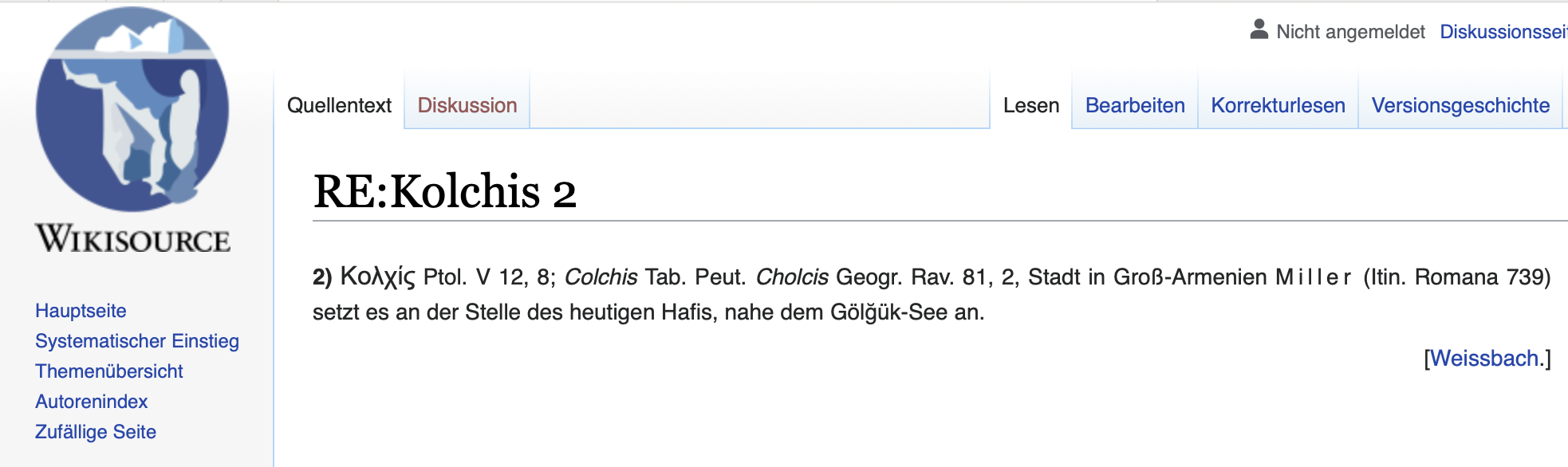
Hazar Gölü Elazığ/Diger adıyla Gölcük Gölü - Paulys Re'de gecen bir göl-Kolchis Κολχίς


*

2 Kolchis kenti var Antik Çağ'da.

İlki Argonotlarıyla ünlü. Aşağıdaki ikincisi Kolchis ise ünsüz olanı. Pauly diyor ki: Kolchis bugünkü *Gölcük Gölü kıyısında kurulu kent.
Kolchis'deki "Kol" hecesi Eski Türkçe Köl (Göl) olabilir mi?
*


*Ülkemizde Gölcük adında çok yer ve göl var. Adı geçen Elazığ'daki, Hazar Gölü diye anılan tektonik göl olmalı. Çünkü Great Armenia diye geçen ülkede olan tek Gölcük,
Elazığ'da olan olmalı.

daha fazla bilgi için:


*

English version:

There were 2 cities of Kolchis in Antiquity. The first is famous for its Argonauts. 

 The second one below is Kolchis that is not famous. 

Pauly says: Kolchis is today's city founded on the shores of *Gölcük Lake. 

 Could the syllable "Kol" in Kolchis be Old Turkish Köl (Lake)?

Proto Turkic Altaic words for "Lake" Köl


*There are many places and lakes called Gölcük in Türkiye. The aforementioned tectonic lake in Elazig, called Hazar Lake, must be this one. Because the only Gölcük in the country called Great Armenia must be the one in Elazığ.


For more info:

Uzunbacak Adem

Sunday, August 14, 2022

Gergitha-Gergis-Gergithier-Turkic-Kerki-Keski


There is a tribe from Troas called Gergithier (German name) and they had been settled, after Trojan war, everywhere throughout the region. The spies (Gestapo) called Gerginoi on Ancient Cyprus should have taken their name from them.


I know only one word that would correspond with the name od this "tribe".


Kerki meaning in many Altaic languages like saw, awl, etc.

In Turkic adze, mattock, chisel or a razor.


Proto Turkic/Proto Altaic root ker/kes


*


Could the name of this NonGreek tribe have its name from thus Turkic word?

Were they peoples with a KERKI in their hands to wage a war?


Uzunbacak Adem


AncientGreek-title-Kolax-Turkic-Kulak-Kul-Kol-and-gerginoi


Paulys RE'ye devam:


Kolax, kökü Doğu'da, kökeni bilinmeyen bir ünvan!

(English Chamberlain, German Kammerherr)

Eski Kıbrıs'ta 2 çeşidi varmış: birinin adı Gerginoi. (Proto Turkic Kerki > Keski?/)

Gerginoi-kerki-keski

Bunlar direk krala bağlı kullar: 'gözü ve kulaklarıydı kralın',diyor Pauly/1 (yani sivil polis, casus, ajan, Alman Gestapo)


Paulys RE about Kolax, Gerginoi

Kolax sözcüğü 

Hizmetli> kul/2 
ve arz etmek> kol-/3 
ve kulak/3 ile uyumludur.


Beekes diyor ki:

PreGreek olmali:

Wiktionary - PreGreek Kolax -  

κόλαξ


*
English Version
Kolax, a title of unknown origin in the East ( 🇬🇧 Chamberlain) There are 2 varieties in Cyprus: one is called Gerginoi (Kerki > Keski = Chisel?/4) These are the servants directly subordinate to the king: 'they were king's eyes and ears', says Pauly/1 (civil police, German Gestapo)

According to Beekes it is a word of PreGreek origin. it is compatible with Turkic  
Kul > servant/2 and kol- to offer and compatible with ear = Turkic Kulak/3.

Possible?


Uzunbacak Adem

Saturday, August 13, 2022

Boreas-Hyperborean-Turkic-Bira-YukarBora

An arctic continent on the Gerardus Mercatormap of 1595./wiki


Ön-Türkçe *bora-> kuzey rüzgarı

Source: Starling


(Ön-Altayca *poru)

*

Antik Yunan Tanrısı Boreas 

Soğuk Kuzey Rüzgarı Tanrısı

*
Mitik bölge Hyperborea > Kuzeyin Ötesi demek/3 (Trakya | Bozkır)


Osman Karatay Hocam Hyper ve Yukar arasında ilişki kurar


Soru: Hyperborea ÖzTürkçe YukarıBora olabilir mi?

*
ENGLISH VERSION

(Look at please the numbered pics above)

ProtoTurkic *bora- >north wind/1 

(Proto-Altaic *poru)

* Ancient Greek deity Boreas God of the Cold North Wind/2
* Mythic region Hyperborea means Beyond the North/3 (Thrace | Steppe)
* Osman Karatay establishes a possible relationship between Hyper and Yukar/4
* Hyperborea<Turkic UpperBora (YUKARBORA)
possible?

*

Uzunbacak Adem

Hattian-Hittite-Asianic-inheritance-kingship-tradition


Yunan öncesi Küçük Asyalı (Asianic) miras ve krallık hakkı, Hint-Avrupalıların aksine, kadın hattı aracılığıyla devam ederdi. (Biryerlerden tanıdık geldi mi?)


(Hint-Avrupalı olduğu kabul edilen) Hititler’de de bunun böyle olması şaşkınlık yaratmıştı, Hattiler’den geçmedir, denildi.
Hattiler Indo-Cermen degillerdi.

Kaynak-Source-Quelle

Hititçe Tawananna> egemen kraliçe

Başka bir Hanna/Ana/Anna hakkında da yazmıştım:


*


English Version:

The pre-Greek Asianic inheritance and kingship continued through the female line, unlike the Indo-Europeans (it is alien to these). 
It was surprising that this was the case among the Hittites (who are considered to be Indo-European). Actually a Hattian tradition, they said.

(Hattian were no Indo-Europeans). 

Hittite Tawananna > sovereign queen


Tavananna Tawananna Ana=Turkic for Mother


More about Hıttıte deity Hannahanna:


*

Uzunbacak Adem

Sunday, August 7, 2022

PaulysRE-Dacian-Tribe-Kistobokoi-Turkic-Koez-Boeke


Kistebokoi, Kostobokoi >Kuzey Dakya'da bir budun. 

Adlarının kökeni açıkçası bilinmiyor veya çok öneri var Hint-Cermen cenahından.

Wiki: Costoboci, Costobocae, Castabocae, CoisstobociAncient GreekΚοστωβῶκοι, Κοστουβῶκοι or Κοιστοβῶκοι

Türkce birçok sözcükle uyumludur: Köz, Küzet (hem gözet- (v); hem karakol anlamlarında) Bük: kıyı, yaka, köşe > Güzetbükü?

Diğer Türkçe bük sözcüğüyle uyumlu bir Yukarı Bora'lı bir budun hakkında yazmıştım okuyun:


(Hint Avrupalilar o kadar cok öneride bulunuyorlar ki, benim Türkce önerilerde bulunmamam icin hic bir neden yok!) *

Uyumlu diger sözcükler de şunlar olabilir:
Büke: kahraman, cesur veya ejderha> Gözetbüke? * Ortadan kırarsak: Kış - töpük (=tepe) > Kıştepe?

*

ENGLISH VERSION:

Kistebokoi, Kostobokoi > a tribe in North Dacia

-The origin of their name is obviously unknown or there are many suggestions from the Indo-Germanic side. (pic above)-

(Indo-Europeans (may) make so many suggestions that there is no reason why I shouldn't make suggestions in Turkish!). Or am I wrong!!!

Many words in Turkish are compatible, too: 
Köz; Küzet (both watch- (v); and police station) Bük: shore, collar, corner > Güzetbükü?

I wrote an other tribe from Hyperborea whose name is copatible with Turkic BÜK:


we have also available, too:
Büke: hero, brave or dragon > Gözetbüke? * Other possibility: kış (winter - töpük (=hill) >Winterhill?

Costoboki - A Dacian Tribe - Wiki

*


Uzunbacak Adem

Friday, August 5, 2022

Signs-on-Midas-Monument-and-Turkic-Runes

Midas Monument - Signs - Runes - Motifs - Shapes - Türkiye - Anatolia 

*


1. Midas Anıtı’ndan 3 im (imge?)


2. Orhun Anıtları’ndan 3 Türk runu
3. Türk runu ve Avrupa runu Şekil aynı, anlam benzer! Midas Anıtı için kaynak:


*

ENGLISH VERSION

1. 3 images from the Midas Monument 2. 3 Turkish runes from the Orkhon Monumental Stones 3. Turkish rune and European rune >The shape is the same, the meaning is similar! Source for the Midas Monument:


*

NOW THE PICS:

1.Monument - Midas - Yazilikaya
*


2-Runes and signs on Midas Monument

Turkish Rune EB and European Rune ODAL


Pre-Greek-gyris-versus-Proto-Altaic-gure

  Flour (pic: wiki) * γῦρις ist a Pre-Greek word with an unclear etymology. It means flour. [1] [2] Have I said "unclear etymology...